 Eviory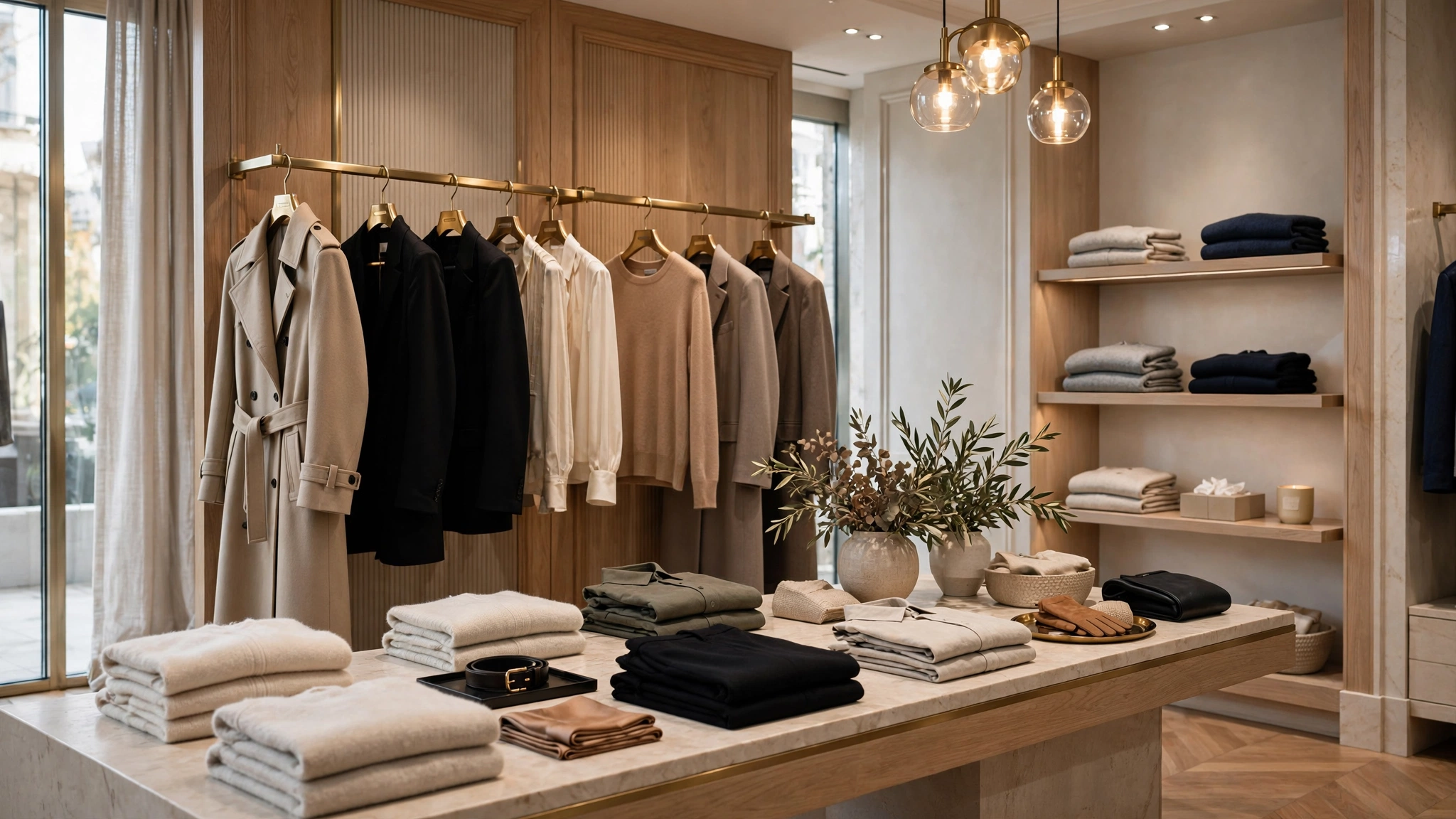
Quick Answer: Frequent discounting trains your customers to treat your brand like a bargain bin, eroding trust and destroying net profit. Stop anchoring your value to lower prices. To protect your margins, you must build organic urgency and justify premium pricing by educating your audience on material quality, cost-per-wear utility, and strictly limited availability.
You launch a beautiful new linen blazer. You price it at $125. A week passes. You sell exactly three units.
Panic sets in. You have a credit card bill due and a garage full of inventory boxes staring at you. You quickly send out a newsletter offering 20% off for the weekend just to get things moving.
You sell twenty blazers in 48 hours. Your phone pings with Shopify notifications. You feel a massive rush of relief. Then you sit down and calculate your shipping costs, wholesale prices, packing materials, and transaction fees. You realize you made practically zero net profit. You spent the entire weekend working for free just to ship clothes across the country.
Worse than the lost money is the psychological damage you just inflicted on your customer base. You trained your customers to treat your brand like a bargain bin.
Once you offer a discount, you anchor your brand’s value at that lower price. Your customers will leave items in their carts and wait for your next panic sale. They know it is coming. You do not need cheaper prices. You need to build real value and organic urgency.
The Toxic Discount Loop
In the fashion industry, discounting is a double-edged sword. While it clears excess inventory in the short term, it frequently undermines long-term profitability and brand equity. Data from 2023 showed that the industry lost over $300 billion annually to markdown revenue loss. Constant discounting destroys boutique brands in three specific ways:
1. Exponential Profit Erosion
Because fashion items have fixed base costs, a relatively small percentage discount leads to a disproportionately large reduction in net profit. If you sell a garment with a 30% profit margin and you offer a 10% discount code, you just wiped out 33% of your actual take-home profit. You now have to sell significantly higher volume just to break even on the revenue you lost.
2. The Destruction of Trust
If a jacket is $150 on Tuesday and $90 on Friday, your customers feel stupid for buying it at full price. They will never trust your initial pricing again. Research indicates that roughly 62% of shoppers actively delay clothing purchases specifically to wait for a discount. By running constant sales, you are cannibalizing the customers who would have gladly paid full price.
3. Attracting the Wrong Audience
Discounts trigger impulse purchases, often driven by a fear of missing out rather than a genuine connection to the brand. You build an audience of discount hunters. They leave the second you stop offering coupon codes. They have zero brand loyalty, and they are statistically the most likely cohort to return items, further damaging your margins through reverse logistics costs.
Sell Out Without Slashing Prices
Instead of lowering your prices to meet the customer’s perceived value, you must use your marketing to raise their perceived value to meet your price point.
Use the Scarcity of Curation
Stop buying 500 units of a single item unless you are a fast-fashion giant. Buy small, highly curated batches. State this clearly to your audience. Tell them you only secured 20 camisoles, the fabric is deadstock, and you will not restock them once they are gone.
True, organic scarcity is infinitely more powerful than a fake countdown timer on your website. When buyers know they might actually miss out, they purchase immediately at full retail price.
Focus on Styling Education
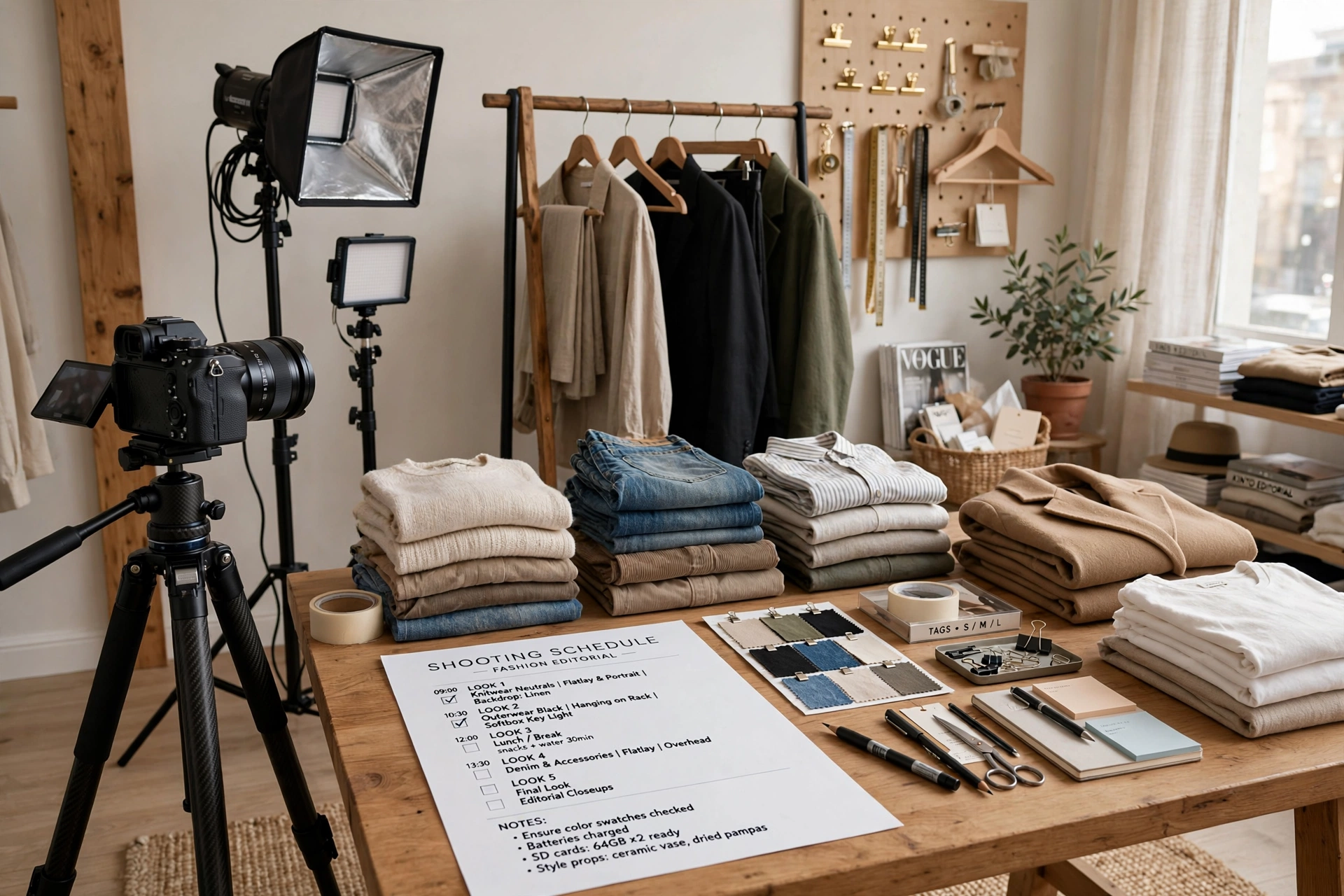
A customer does not look at a blazer on a hanger and instantly decide to pay $120. They decide to pay when they see you style it with denim for a casual coffee run, with tailored trousers for a business meeting, and over a silk slip dress for date night.
Show them that one blazer solves three distinct wardrobe problems. Focus heavily on “Cost-Per-Wear.” If a $120 blazer is worn 30 times a year, the cost per wear is $4. The price tag ceases to be a barrier when you justify the value through sheer utility and education.
Emphasize Texture and Origin
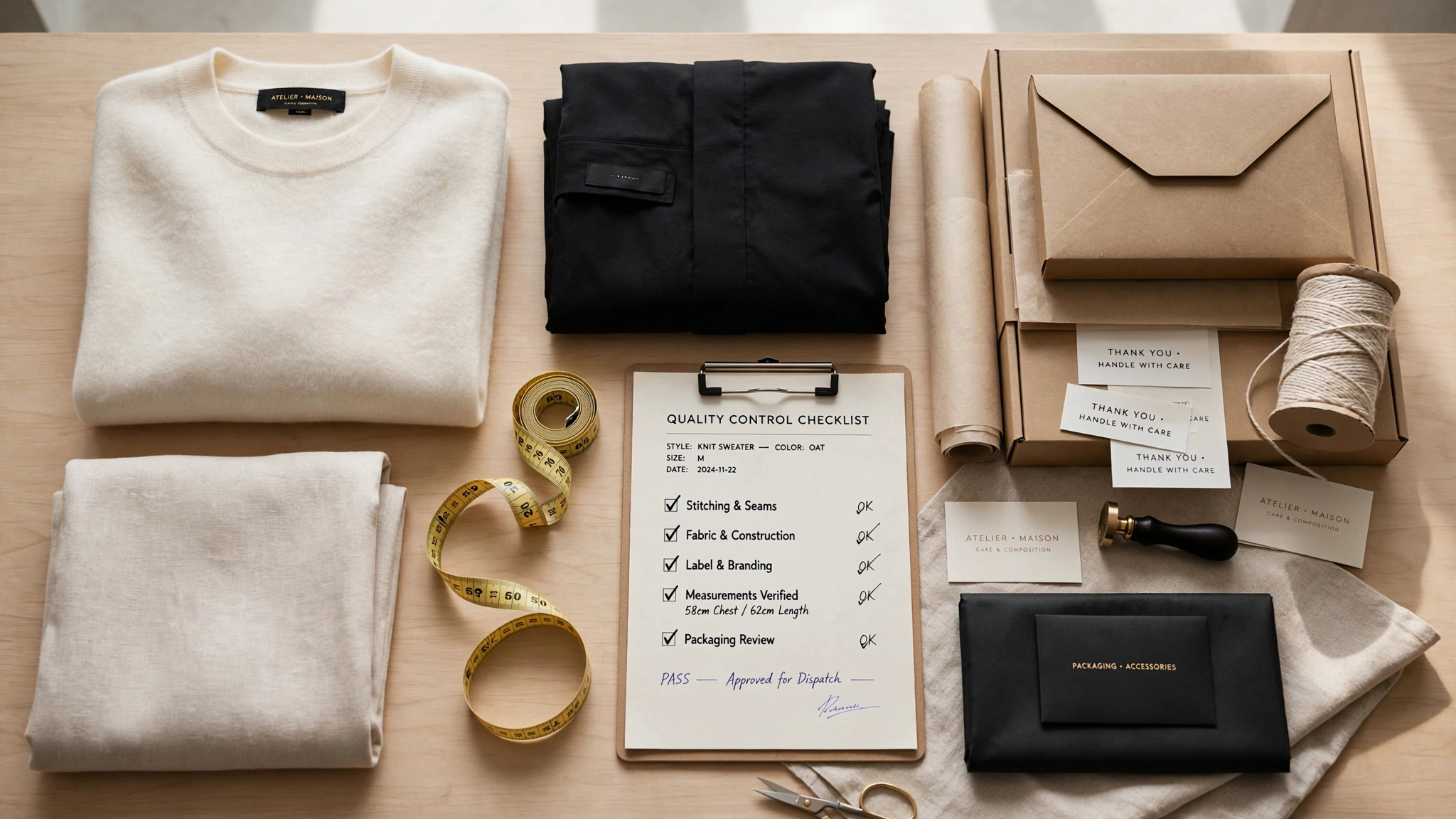
Tell them exactly where the linen was woven. Show the inside seams to demonstrate the finishing quality. Film a close-up of the heavyweight cotton that refuses to go sheer after two washes. Explain the physical standard of your garments. When you educate the consumer on construction, they stop comparing you to cheap fast-fashion alternatives and start seeing you as a premium design studio worthy of the investment.
Protect Your Profit Margins
You did not start a fashion brand to spend your weekends packing zero-profit boxes and stressing over discount-code configurations in Shopify. You started it to build a profitable, sustainable business.
I built Eviory OS to help boutique owners step off the discount hamster wheel. It is a browser-based OS pre-loaded with value-building copy frameworks, over 60 Reel scripts highlighting garment quality and styling utility, and a 30-day content strategy designed to build organic demand without resorting to coupon codes.
Stop discounting and sell out your drops at full retail price. Secure the complete operational framework by launching the free Master Workspace and protect your margins today.