 Eviory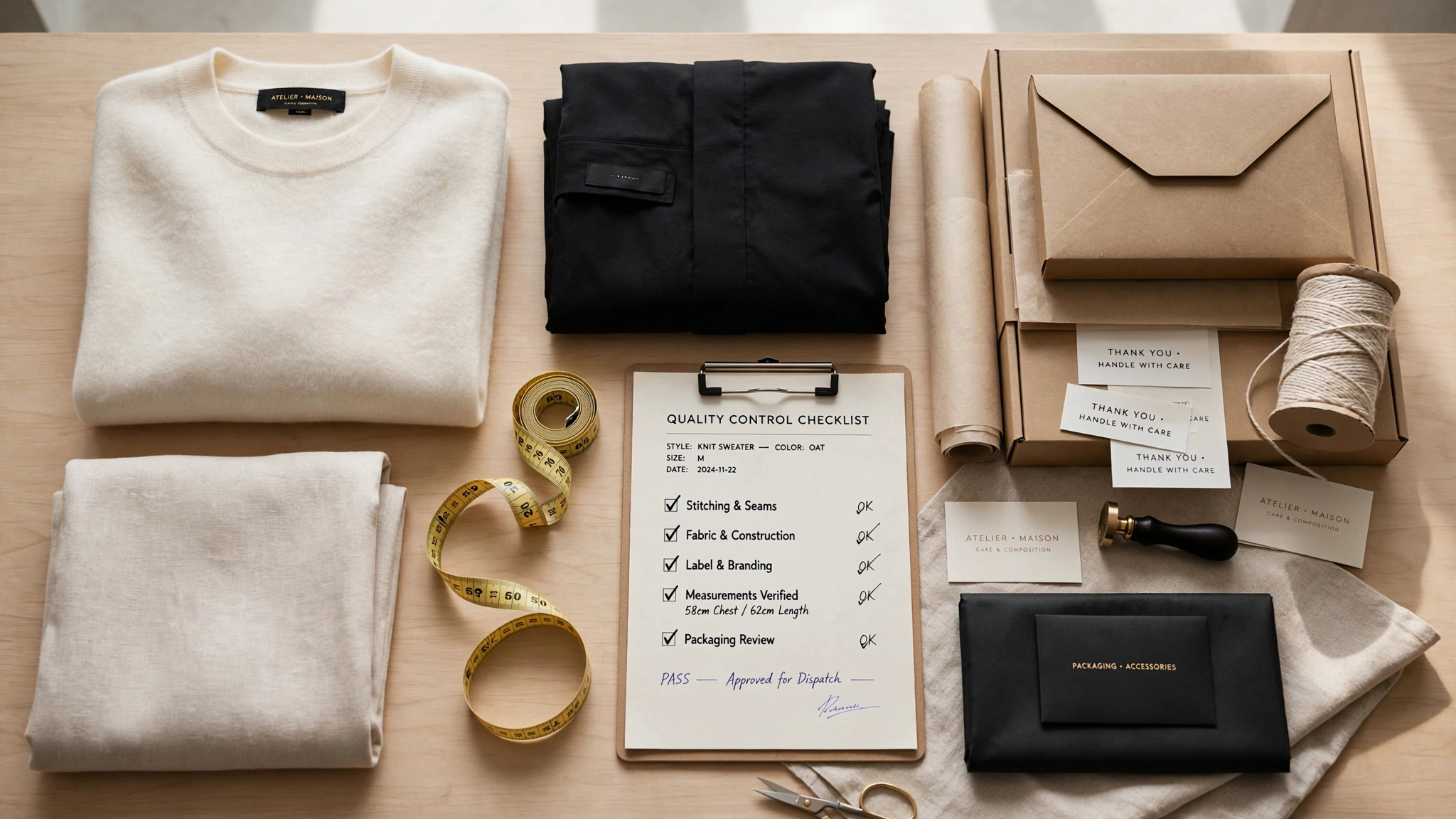
Quick Answer: The primary killer of fashion brand profitability is the cost of reverse logistics. With apparel return rates averaging 30-40%, you must implement strict operational boundaries. To protect your margins, prioritize AI-driven size charts, exact garment measurements, and high-fidelity texture visuals to drastically reduce the expectation gaps that cause returns.
Generic advice does not apply to your inventory. The internet is full of marketing gurus offering blanket strategies for massive tech companies or digital service providers. You sell physical garments with tangible limitations.
Selling a silk blouse requires a vastly different operational approach than pushing a digital download. Your inventory comes with specific manufacturing quirks, sizing inconsistencies, supply chain delays, and distinct customer objections. If you apply software marketing tactics to a physical clothing boutique, you will burn through your capital rapidly. You need strategies calibrated specifically to your production cycles and apparel behavior.
The Margin Reality Check
Before you spend another dollar on Facebook ads, you must understand your actual profitability. Many direct-to-consumer (DTC) fashion founders confuse gross margin with net margin. While your gross margin (the difference between manufacturing cost and retail price) might look healthy at 60%, your net profit margin is likely much thinner.
Industry data shows that most fashion e-commerce brands operate on razor-thin net margins of 5% to 13%. Why? Because of the hidden operational costs unique to apparel—specifically, the devastating impact of reverse logistics.
The True Cost of Reverse Logistics
For fashion brands, the primary enemy is the return rate. A returned garment eats your profit margin instantly, trapping your capital in reverse logistics.
While the average e-commerce return rate is around 20%, apparel and footwear return rates consistently hit 30% to 40%. The process of handling a single return—including reverse shipping, labor for inspection, repackaging, and restocking—can cost between 20% and 65% of the item’s original retail price. It is estimated that for every ten successful deliveries, one poorly managed return can erode the profit of two entire sales.
You cannot out-market a 40% return rate. You must fix the operational leaks.
1. Kill the “Bracketing” Behavior
“Bracketing” is a common consumer behavior where a shopper intentionally purchases multiple sizes of the same item with the full intent to return the ones that do not fit. This destroys your inventory availability and incurs massive shipping costs.
To combat this, the fashion workflow must prioritize strict, granular size charts. Stop using generic “S/M/L” charts. Provide the exact measurements of the garment laid flat. Detail the model’s height, typical size, and the size they are currently wearing. If a fabric has zero stretch, explicitly state it in bold text. You stop guessing what the customer expects and start providing the exact data they need to make a definitive choice.
2. Close the Expectation Gap
Over half of all fashion returns are driven by size and fit issues, but the second largest driver is the “expectation gap”—discrepancies between the product photos and the actual garment.
You must master the photography specifically suited for apparel. Executing flawless on-body shots and meticulous flat lays ensures your customers understand the drape, weight, and texture of the fabric without touching it. Do not over-filter your images. If a dress is a muted olive green, do not edit it to look vibrant emerald just to get more likes on Instagram. When the customer opens the box and sees a different color, they will initiate a return, and you will lose the margin.
3. Establish Firm Boundaries
Because clothing requires clear boundaries, you must implement robust shipping and return policies.
This protects your margins from serial returners (customers who buy outfits for an Instagram photo and return them the next day). Set a strict 14-day or 30-day return window. Consider charging a nominal restocking fee or requiring the customer to cover return shipping if the item is not defective. While free returns drive initial conversion, they often attract low-intent buyers who will ultimately cost your business money.
Executing the Apparel Niche
You started your boutique to curate beautiful collections, not to run a specialized logistics and returns processing center.
To survive and scale, you must build the operational boundaries necessary to protect your margins from the start. The Fashion Brand Starter Pack inside Eviory OS strips away the noise. It provides a curated, industry-specific playbook that addresses the actual problems you face on the floor, from drafting airtight return policies to structuring your product descriptions for minimum returns.
Secure the complete operational framework by launching the free Master Workspace and stop letting reverse logistics eat your profits.