 Eviory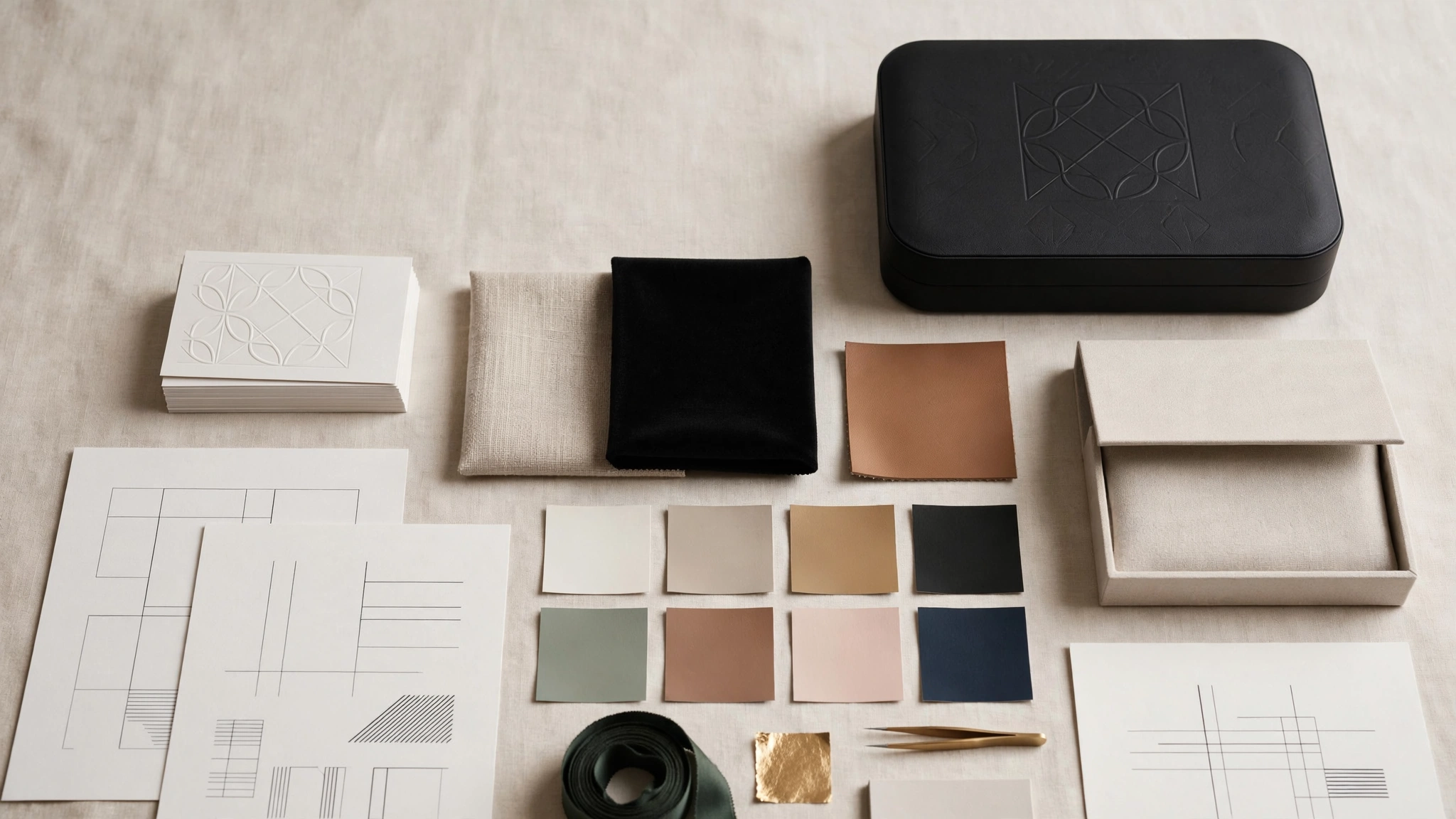
Quick Answer: If your visual identity and messaging look exactly like thousands of other digital storefronts, buyers will naturally default to the cheapest option. Competing on price destroys your margins. To command premium pricing in 2026, you must transition from tactical differentiation to structural differentiation by establishing strict visual rules, a recognizable voice, and a cohesive brand narrative.
Before you ask anyone to buy a $400 piece of handcrafted jewelry or a premium skincare set, you must establish why they should buy from you instead of a massive retailer offering a visually similar product for $40.
If your visual identity and messaging look exactly like every other independent shop on Instagram, you are forcing yourself to compete on price. When products are perceived as easily comparable, buyers default to the most obvious variable: cost.
Discounting is a race to the bottom. It destroys your margins, devalues your inventory, and burns you out. To command premium pricing, you must transition from being just another digital storefront to becoming a recognizable brand that commands absolute loyalty.
The Data Behind Premium Positioning in 2026
In 2026, the market is completely saturated. “Sameness” is the default. Competing on price is a symptom of poor positioning.
Market data underscores that differentiation is the most sustainable path to long-term profitability. Brands capable of delivering genuine, meaningful differentiation can command significantly higher price points—often doubling what consumers are willing to pay compared to undifferentiated competitors.
However, consumer loyalty is increasingly fragile. Research shows that “true loyalty” (deep, trust-based connection) currently hovers around 29% across e-commerce, reflecting how easily consumers will switch brands when friction is low. To capture and retain that elusive 29%, you must master first impressions. Approximately 55% of a brand’s first impression is derived from visuals alone. When you pair strong visual consistency with structural differentiation, studies indicate it can contribute an additional 10% to 20% in overall revenue growth.
Tactical vs. Structural Differentiation
Most independent brands rely on “tactical” differentiation. Tactical differentiation is easily copied: offering free shipping, running a 15% off weekend sale, or using a trending audio clip on a Reel. If a competitor can copy your advantage in ten minutes, it is not a moat.
You must build “structural” differentiation. Structural differentiation is embedded in your unique processes, your sourcing ethos, your founder story, and your proprietary design frameworks.
People connect with people, not faceless corporations. Sharing your exact sourcing process, your design struggles, and your core values builds an unbreakable bond with your audience. You establish a structural narrative that a massive retailer simply cannot replicate, completely desensitizing your audience to price.
The “Half-Second” Visual Threshold
In an era of high content volume, the brands that succeed are those recognizable within a half-second scroll. If a user swipes past your post and cannot instantly identify that it belongs to your brand, you have failed the visual consistency test.
Aesthetics still matter, but they require strict operational rules. Generating a comprehensive brand style guide ensures your visual identity remains clean and consistent across every touchpoint, preventing your Instagram grid from looking like a chaotic mood board of competing ideas.
You must define:
- Your Core Color Palette: Stick to 3-5 colors across all graphics and packaging.
- Your Typography: Use the same 1-2 fonts for every text overlay.
- Your Lighting Style: Whether moody and dark or bright and airy, stick to one lighting profile for your product photography.
Consistent visual cues across all touchpoints reduce perceived risk for the consumer. When your brand looks expensive and highly organized, the buyer unconsciously assumes the product is expensive and highly organized.
Implementing Strict Verbal Rules
Visual identity is only the surface. True brand consistency is supported by delivering on the brand promise across every customer interaction. Consistency in messaging and narrative is as vital as consistency in design.
You must ensure that every piece of copy sounds deliberate and authoritative. Stop relying on generic, timid templates that sound like everyone else (e.g., “Check out our new collection! 💖”). You must communicate with the quiet confidence of a brand that knows exactly what its inventory is worth.
Define your brand voice. Are you the Educational Guide? The Rebellious Artist? The Minimalist Curator? Once you define it, do not deviate. Speak directly to your target audience, uncover their buying triggers, address their hesitations, and use the exact language they use when searching for your items.
Engineer Your Brand Identity System
A strong identity separates a scalable business from a very expensive hobby. When your brand voice commands authority and your visuals are cohesive, sales become predictable.
Stop blending in and relying on discount codes to drive revenue. Establish your rules and own your market. I built Eviory OS to help independent founders operationalize their branding. The system includes a dedicated Brand Vault to centralize your voice, visual guidelines, and core narratives, ensuring every piece of content you produce aligns with your premium positioning.
Explore the Eviory OS Master Workspace and engineer an identity that commands respect and premium pricing.