 Eviory
Why Outfit Reels Keep Outperforming Product Photos
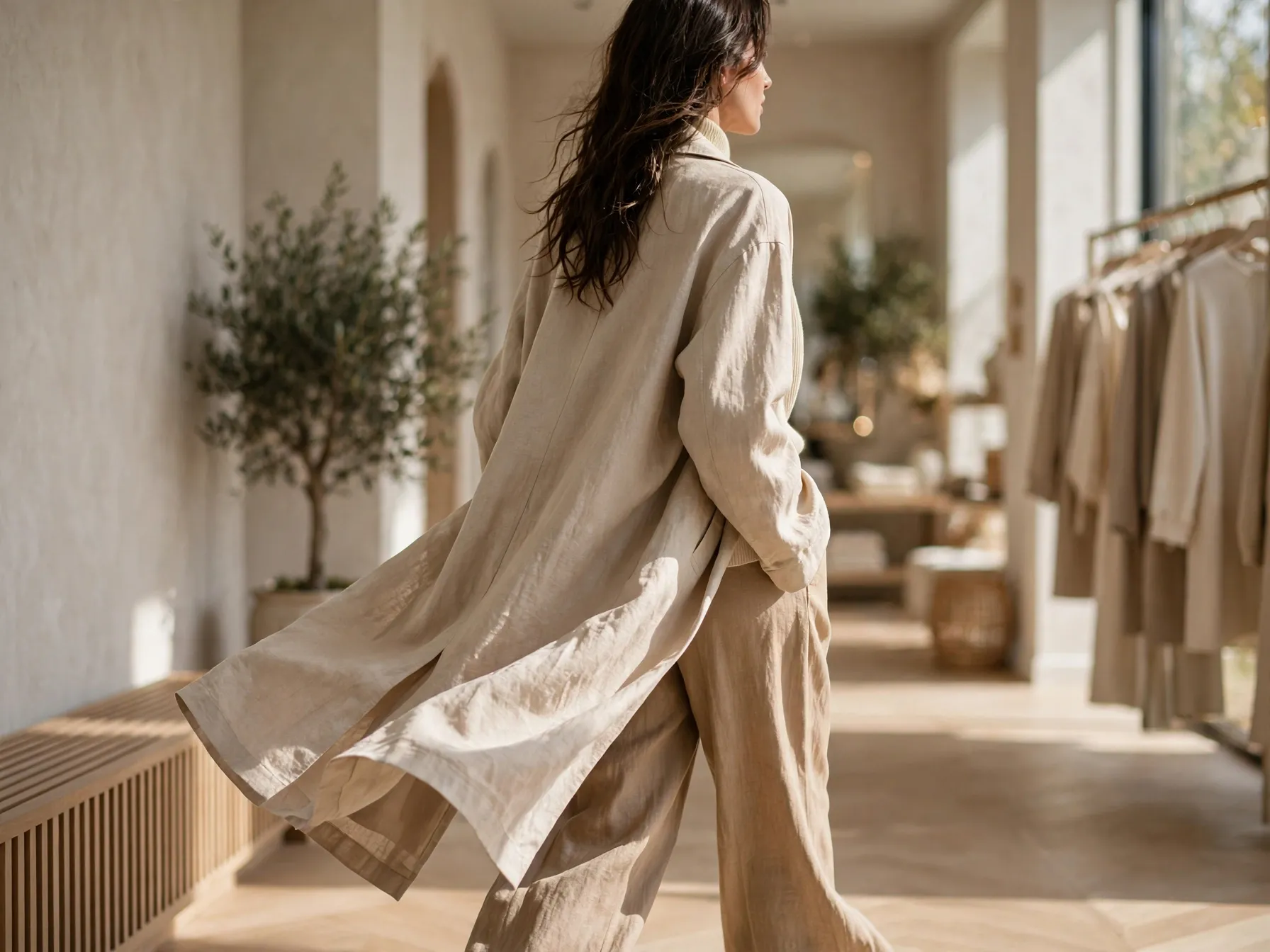
Your new drop looks flawless on a white backdrop. The lighting is even. The SKU is sharp. You post it to the grid and wait for the DM requests to roll in. Instead, the post sits at twenty-three likes while a competitor’s shaky mirror Reel, filmed in a stockroom, pulls ten times the reach on the same dress.
That gap is not bad luck. It is format physics. In 2026, Instagram and TikTok still treat short video as the primary discovery surface, and fashion is one of the few categories where motion directly answers the buyer’s silent question: How does this actually look on a body in real life?
Why Are Product Photos Losing the Attention Battle?
Product photography will always belong in your shop, your email flows, and your paid catalog ads. On the organic feed, though, single images have slipped into a supporting role. Metricool’s 2026 Instagram analysis, covering more than twenty-four million posts, found single-image reach down roughly twenty-two percent year over year, with interactions down about twenty-five percent. The platform is not punishing still life. It is deprioritizing content that fails to hold attention long enough to register satisfaction signals.
CollabKit’s H1 2026 study of ten thousand feed posts across fashion, beauty, and lifestyle accounts reported a median engagement rate of 0.72 percent for single images, compared with 1.23 percent for Reels and 1.38 percent for carousels. Emplifi’s Q2 2026 fashion benchmarks tell the same story in raw interactions: median post interactions landed around twenty-five for images on Instagram, versus forty-seven for Reels and fifty-three for carousels.
Numbers alone do not explain the emotional gap. A flat product photo communicates what you sell. An outfit Reel communicates who wears it, where it goes, and how the fabric moves when someone walks. For apparel, that context is not decorative. It is the difference between scroll-past and save-for-later.
What Makes an Outfit Reel Different From a Product Shot?
A product photo optimizes for clarity: color accuracy, stitch detail, label visibility. An outfit Reel optimizes for projection. The viewer imagines themselves in the silhouette, hears the swish of the skirt, sees whether the sleeves billow or cling.
Boutique owners who win on Reels rarely treat them as animated lookbook pages. They show styling decisions: rolling the cuff, tucking the hem, layering over last season’s jacket. They film in natural light near a window, not because it is trendy, but because it matches how customers evaluate clothes in their own mirrors. Movement reveals drape. A linen dress that looks stiff in a studio shot can look effortless in a ten-second walk toward camera.
That is why “outfit Reels” outperform isolated product frames even when production quality is lower. Authentic context beats polished emptiness when the algorithm measures watch time and replays.
Are Carousels the Missing Middle Ground?
Reels are not the only format climbing the charts. Carousels often beat Reels on saves and total interactions because each swipe adds another beat of story. Emplifi’s fashion data still places carousels slightly ahead of Reels on median interactions, which matches Buffer’s long-running finding that carousels earn roughly twelve percent more engagement than Reels while Reels deliver about 2.25 times the reach of a single image.
Smart boutiques pair the two. Use Reels to introduce a silhouette to cold audiences. Follow with carousels that break down three ways to style the piece, macro shots of fabric, and honest sizing notes. Reserve static product images for grid rhythm and quick restocks, not for carrying your entire discovery strategy.
How Should You Rebalance Without Abandoning Your Shoot?
You do not need to scrap your photographer or your light box. You need to extend the same collection into motion while the clothes are on a body.
Block one hour at the end of a lookbook session. Capture the same outfits as vertical video: walk toward camera, turn, sit, stand. Record audio of how the fabric sounds when it moves. Film the zipper, the lining, the way the waistband sits after lunch. Those clips become Reels; your hero stills become carousel slides and PDP images.
If you only have mannequin or flat-lay assets today, start with short clips of hands adjusting the garment, packing orders, or steaming pieces before a try-on. Motion can be minimal. It still beats a lifeless square on a feed trained to reward completion.
Where Does Strategy Meet Production?
The shift from photo-first to motion-first posting is an operations problem disguised as a creative one. When every Reel requires a last-minute scramble for a hook, a caption, and a trending audio clip, you revert to product photos because they are fast.
Founders who sustain a Reels cadence treat outfit content like a seasonal production line: pillars for styling, fit education, and new arrivals; batched filming; captions drafted before shoot day. The creative standard stays editorial. The workflow stops being reactive.
That is the role environments like Eviory OS are built for: one workspace where fashion-specific scripts, calendar mix, and approval flow sit together so you are not rebuilding the plan in five apps every morning. You keep the aesthetic of a magazine shoot. You run it on a repeatable schedule.
Read Next
The Content Strategy OS
Elevate Your Content.
Get the exact Content Packs, viral hooks, and templates used by premium retail brands to plan 30 days of high-converting content in just 1 hour.